
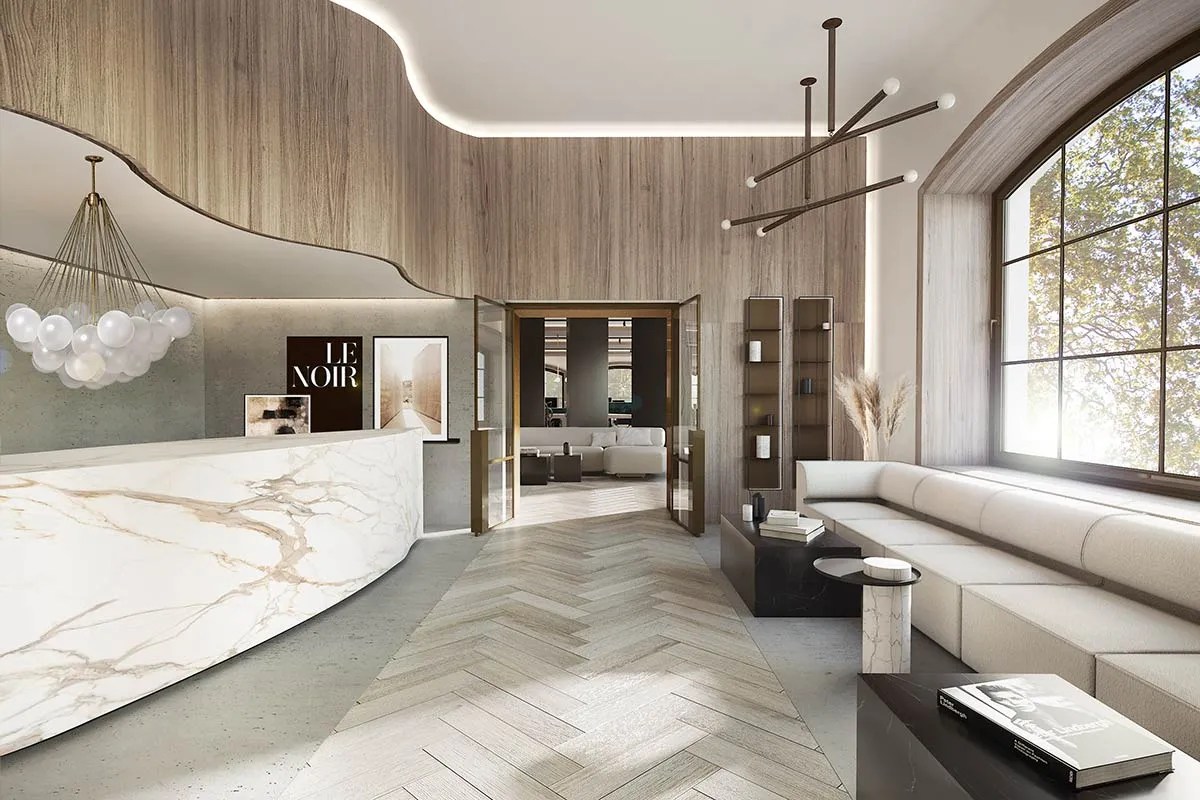
Top Office Design Trends of 2025
The modern workplace continues its dramatic transformation as we move through 2025. Indeed, office design is evolving far beyond the purely functional spaces of previous decades. Today’s most successful work environments balance productivity with wellbeing, technology integration with human connection, as well as corporate identity with individual expression.
The pandemic’s lasting impact on work patterns, combined with growing awareness of how physical environments affect mental health, creativity, and performance, has accelerated design innovation at an unprecedented pace. Organizations now recognize that thoughtful office design represents strategic investment rather than mere aesthetic choice – spaces that inspire, energize, and support diverse work styles directly influence talent attraction, retention, and business outcomes. Understanding the design trends shaping 2025’s most forward-thinking workplaces provides valuable insight for any organization reimagining their office environment for the modern era.
Biophilic Design: Bringing Nature Indoors
Living Walls and Integrated Greenery
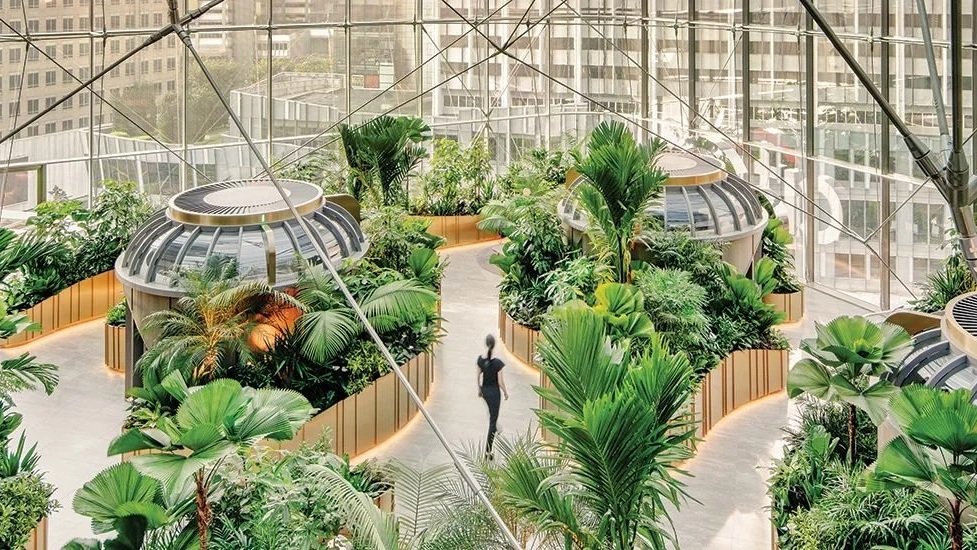
Biophilic design has moved beyond token desk plants to become a fundamental design principle. Living walls featuring vertical gardens and strategically placed planters throughout circulation paths bring nature directly into the workspace. Research consistently demonstrates that exposure to natural elements reduces stress, improves air quality, and also enhances cognitive function – benefits that translate directly to employee wellbeing and performance.
Natural Materials and Organic Textures
Complementing live plants, designers increasingly specify natural materials including reclaimed wood, stone surfaces, clay tiles, and organic textiles that create tactile richness and visual warmth. These materials ground spaces in natural aesthetics that feel inherently more welcoming than the cold, sterile finishes that dominated previous generations of office design.
Maximizing Natural Light
Daylight remains the most valuable amenity in office design. Contemporary layouts prioritize natural light access throughout spaces rather than reserving windowed areas for private offices. Glass partitions, open sightlines, and strategic furniture placement ensure daylight penetrates deep into floorplates. It supports also circadian rhythms and reduces reliance on artificial lighting.
Flexible and Hybrid Work Environments
Activity-Based Working Zones
The one-size-fits-all approach to workspace has given way to diverse zones supporting different activities. Focus rooms for concentrated individual work, collaboration spaces for team projects, informal lounges for casual interactions… And quiet zones for contemplation create ecosystems where employees choose environments matching their immediate needs rather than remaining confined to assigned desks.
Hot Desking and Hoteling Systems
With hybrid schedules reducing daily office attendance, many organizations implement flexible desk systems where employees reserve workspaces as needed. Sophisticated booking systems, adequate personal storage solutions, and standardized desk setups make this approach viable while maximizing space efficiency and reducing real estate costs.
Technology-Enabled Adaptability
Smart office technology facilitates flexibility through integrated booking systems, room sensors monitoring space utilization, adjustable lighting and climate controls, and wireless connectivity everywhere. These systems provide data informing space optimization while ensuring seamless experiences regardless of which workspace employees occupy.
Wellness-Centered Design Philosophy
Ergonomic Innovation
Ergonomics has evolved beyond adjustable chairs to encompass comprehensive considerations including sit-stand desks as standard rather than exceptions, monitor arms enabling optimal screen positioning, ergonomic peripherals, and education about proper posture and regular movement. Forward-thinking organizations recognize that physical comfort directly affects productivity and long-term health.
Dedicated Wellness Spaces
Progressive offices incorporate spaces explicitly supporting physical and mental wellbeing: quiet rooms for meditation or decompression, fitness areas or yoga studios, wellness rooms accommodating nursing mothers or individuals needing privacy, and outdoor terraces providing fresh air and psychological breaks from indoor environments.
Acoustic Comfort
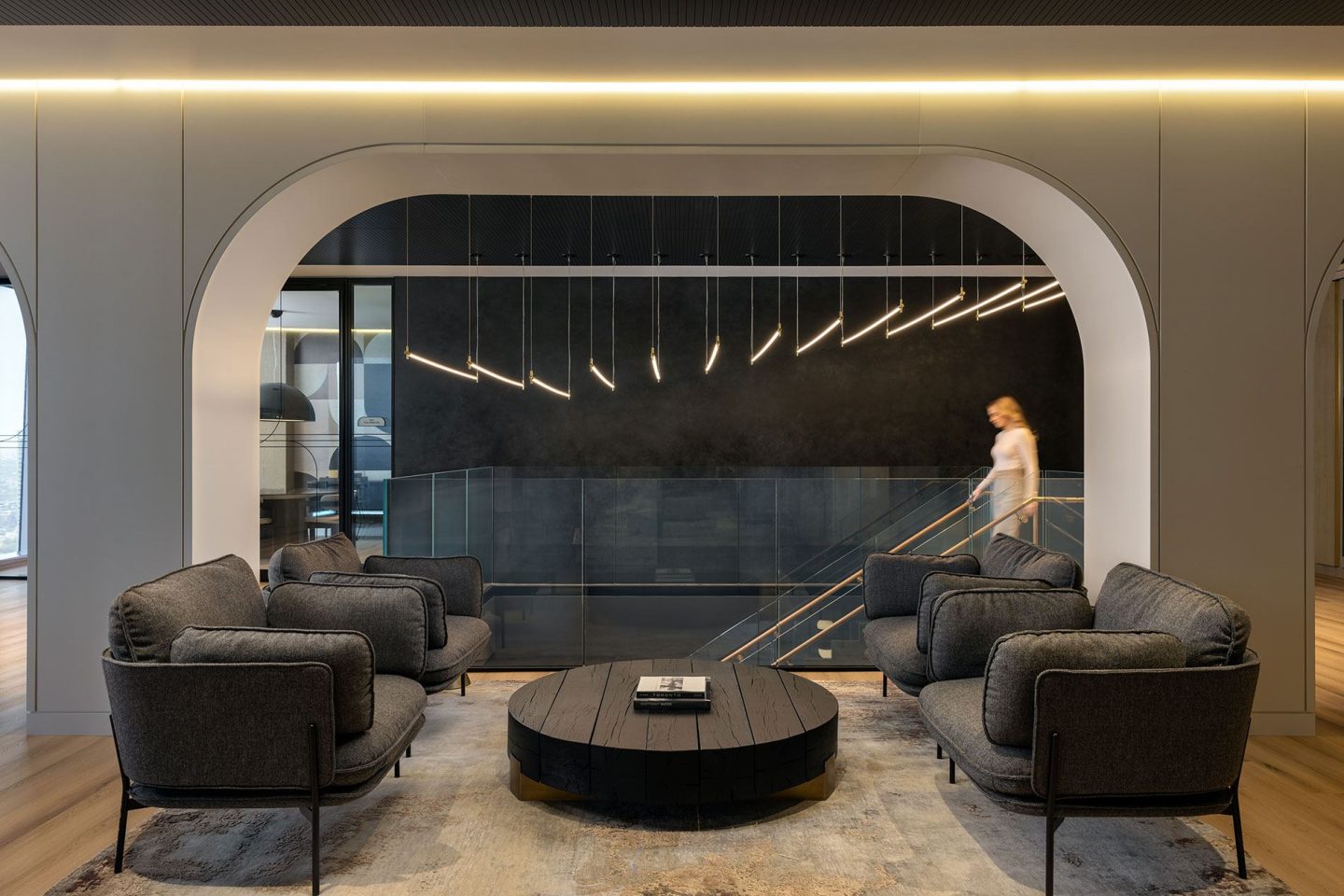
Open plan challenges have sparked sophisticated acoustic design addressing noise pollution through sound-absorbing materials, acoustic panels integrated into architectural elements, white noise systems masking distracting conversations, as well as strategic space planning separating noisy collaboration zones from quiet focus areas.
Sustainable and Circular Design Practices
Materials with Environmental Credentials
Sustainability consciousness influences material selection throughout office fit-outs. Recycled content, rapidly renewable resources like bamboo and cork, low-VOC finishes improving indoor air quality, and locally sourced materials reducing transportation impacts reflect growing environmental responsibility. Professional firms like Milkris Interiors increasingly prioritize sustainable specifications that align with corporate environmental commitments.
Designing for Longevity and Adaptability
Circular economy principles encourage designing spaces that adapt rather than require complete demolition during reconfigurations. Modular furniture systems, demountable partitions, flexible infrastructure, and timeless aesthetics extend useful life while reducing waste associated with frequent renovations.
Energy Efficiency Integration
Smart building systems optimize energy consumption through occupancy-based lighting and climate control, high-efficiency HVAC systems, LED lighting throughout, and renewable energy integration where feasible. These investments reduce operational costs while demonstrating environmental leadership.
Technology Integration and Digital Connectivity
Seamless Video Conferencing
Hybrid work demands video conferencing capabilities in virtually every meeting space. Professional-grade cameras, microphones, and displays, intuitive control systems, and acoustic treatments ensuring clear audio create equitable experiences for remote participants who should never feel like second-class attendees.
Wireless Ecosystems
- Advertisement -
Cables and connectivity limitations constrain flexibility. Contemporary offices provide robust wireless networks throughout, wireless charging surfaces integrated into furniture, wireless presentation systems eliminating HDMI cable hunts, and adequate power outlets wherever employees might work.
Smart Building Technologies
IoT sensors and integrated building management systems optimize space utilization, environmental comfort, and operational efficiency. Real-time data on space occupancy, air quality, temperature, and lighting enables continuous optimization while informing strategic decisions about space requirements and configurations.
Brand Identity and Cultural Expression
Authentic Brand Storytelling
Office design increasingly reflects organizational identity, values, and culture through thoughtful aesthetic choices, branded moments that feel genuine rather than corporate propaganda, and spaces embodying company character. This authentic expression helps employees connect with organizational purpose while making powerful impressions on clients and visitors.
Local and Cultural Relevance
Generic corporate aesthetics give way to designs acknowledging location, local culture, and regional character. Incorporating local art, referencing regional architectural traditions, and creating spaces that feel connected to their communities makes offices more meaningful to employees and visitors alike.
Employee Involvement in Design
Progressive organizations involve employees in design processes through surveys, focus groups, and pilot programs testing concepts before full implementation. This participation ensures spaces genuinely serve user needs while fostering ownership and appreciation for the final result.
Collaborative Spaces Reimagined
Beyond Traditional Meeting Rooms
Formal conference rooms share space with diverse collaboration environments: standing-height tables for quick huddles, lounge seating for informal discussions, writable surfaces throughout encouraging spontaneous ideation, and outdoor meeting spaces when weather permits.
Project-Based Team Zones
Rather than dispersing team members throughout floors, some organizations create dedicated neighborhoods where project teams cluster, facilitating collaboration while maintaining identity. These zones include team-specific storage, display areas showcasing work, and adjacency to relevant resources.
Social Hubs and Community Spaces
Recognizing that community building drives retention, offices incorporate social anchors like café-style pantries encouraging chance encounters, game rooms providing mental breaks, libraries or resource centers supporting learning, and event spaces hosting company gatherings.
Color Psychology and Sensory Design
Strategic Color Application
Color choices influence mood, energy, and productivity. Contemporary offices apply color psychology thoughtfully: energizing hues in collaboration zones, calming tones in focus areas, brand colors reinforcing identity, and variety preventing monotony while supporting wayfinding.
Multi-Sensory Experiences
Design consideration extends beyond visual to encompass all senses. Acoustic comfort through sound management, tactile variety through diverse materials, pleasant scents from natural elements, and attention to thermal comfort create holistic environments supporting wellbeing.
Lighting Design Sophistication
Beyond basic illumination, lighting design creates atmosphere and supports biological needs through circadian lighting systems mimicking natural light patterns, task lighting allowing individual control, accent lighting highlighting architectural features, and dynamic systems adapting throughout the day.
FAQ Section
Q: How much should companies budget for office redesigns incorporating these trends?
A: Costs vary dramatically based on scope, quality levels, and existing conditions, but comprehensive office renovations typically range from £50-150 per square foot. Strategic phased approaches allow organizations to implement priority improvements within budget constraints while planning for future phases as resources allow.
Q: Can these design trends work in older buildings with architectural constraints?
A: Absolutely. Experienced designers excel at adapting contemporary concepts to existing structures, often leveraging historic character as design assets. Constraints sometimes spark creative solutions impossible in new construction, resulting in unique spaces with genuine character.
Q: How do we balance open collaboration spaces with employees’ need for privacy and focus?
A: The key lies in providing diverse space types rather than defaulting to fully open or fully private. Offering choice through varied zones – quiet rooms, phone booths, focus areas, collaboration spaces, and social hubs – ensures employees select environments matching their immediate needs.
Q: Are these trends just fads, or do they represent lasting shifts in office design?
A: While specific aesthetic expressions evolve, the underlying principles – flexibility, wellness, sustainability, and technology integration – represent fundamental shifts in how we understand workplace effectiveness. These aren’t superficial trends but responses to genuine changes in work patterns, employee expectations, and organizational priorities.
Q: How long does a typical office redesign take from planning to completion?
A: Timeline depends on project scale and complexity, but expect 3-6 months for planning and design development, followed by 2-6 months for construction, with larger projects potentially requiring a year or more. Early planning and clear decision-making processes help maintain momentum throughout the project.
Conclusion
The office design trends shaping 2025 reflect profound shifts in how organizations view workplace environments – no longer simply containers for desks and computers, but strategic tools supporting wellbeing, productivity, collaboration, and culture.
From biophilic elements reconnecting employees with nature to flexible layouts accommodating hybrid work patterns, these trends prioritize human needs alongside business objectives. Sustainability consciousness, technology integration, and authentic brand expression further distinguish contemporary offices from their predecessors.