
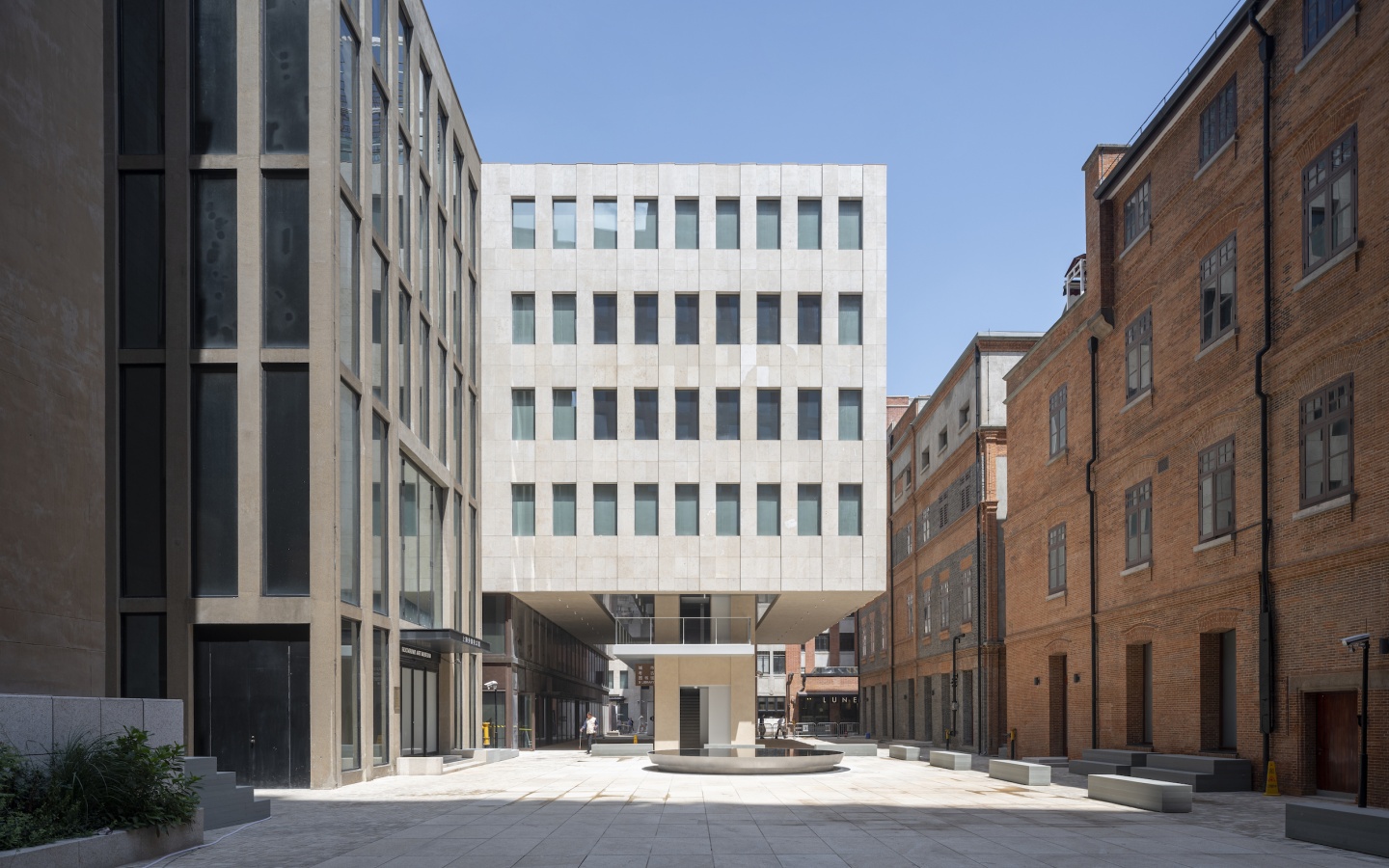
Beyond the Bund: Shanghai’s New Cultural Playground
From immersive art spaces to modern teahouses and digital calligraphy studios, Shanghai is reimagining its cultural heritage for a new generation of creative, experience-hungry travellers.
2025 has seen Shanghai turn its attention from urban expansion to cultural renewal. The city’s newest institutions — from reimagined museums and performance spaces to contemporary teahouses — are evolving how Chinese heritage is presented and experienced. These projects highlight a broader movement within Shanghai’s creative community. From the Shanghai Museum East to Tank Shanghai — LUXUO dives into how nightlife and cultural institutions are using architecture, digital art and experiential design to make dynamic experiences accessible to younger audiences.
Next-Gen Museums & Galleries
Rockbund Art Museum
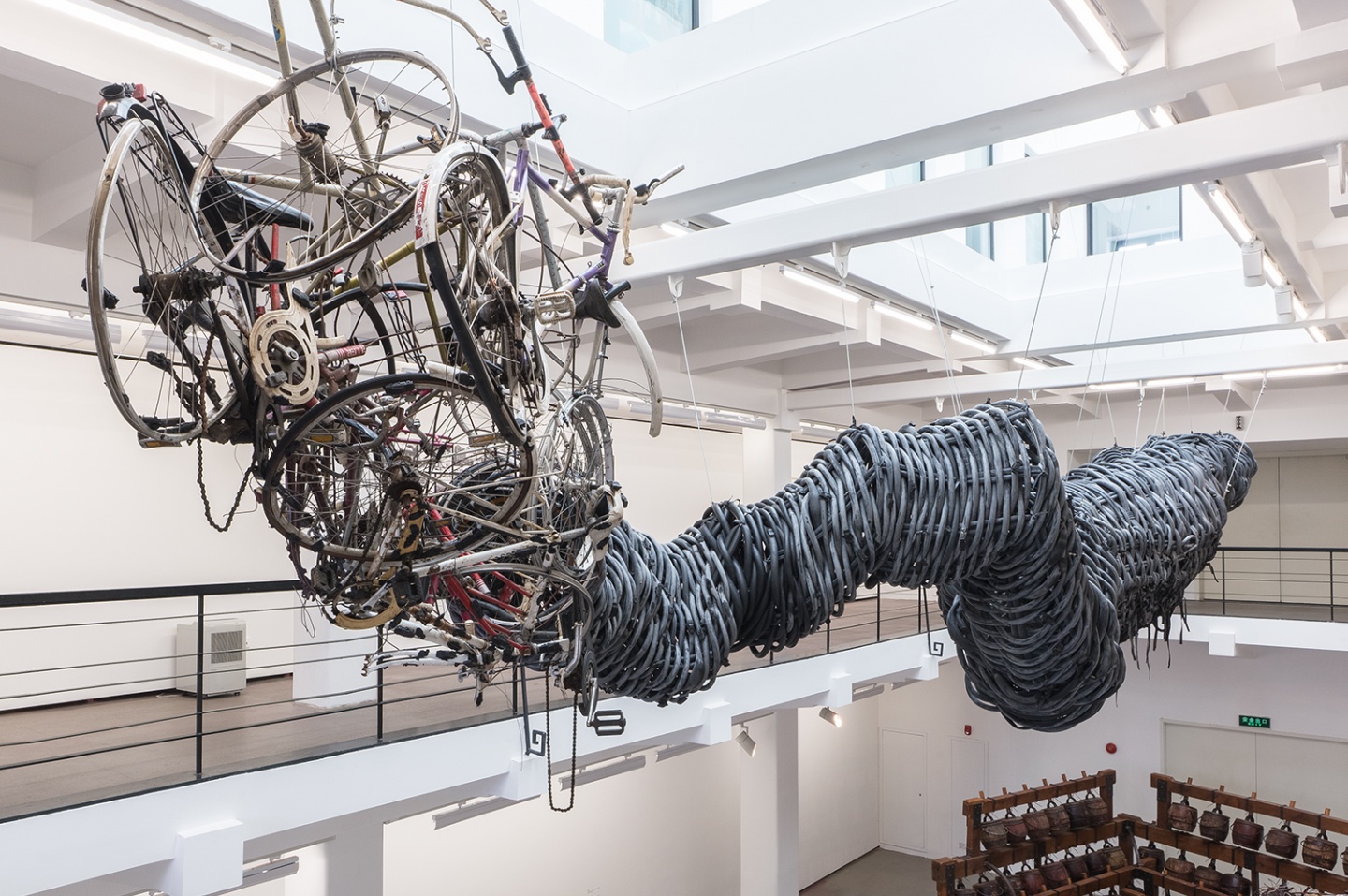
Located within a restored Art Deco building near The Bund, Rockbund Art Museum has evolved into one of Shanghai’s most forward-thinking art institutions. It presents contemporary Asian and international artists who push boundaries through immersive installations and socially conscious narratives. The museum is known for championing new voices such as Xu Bing and Zhang Peili while also collaborating with international figures like Philippe Parreno and Ugo Rondinone.
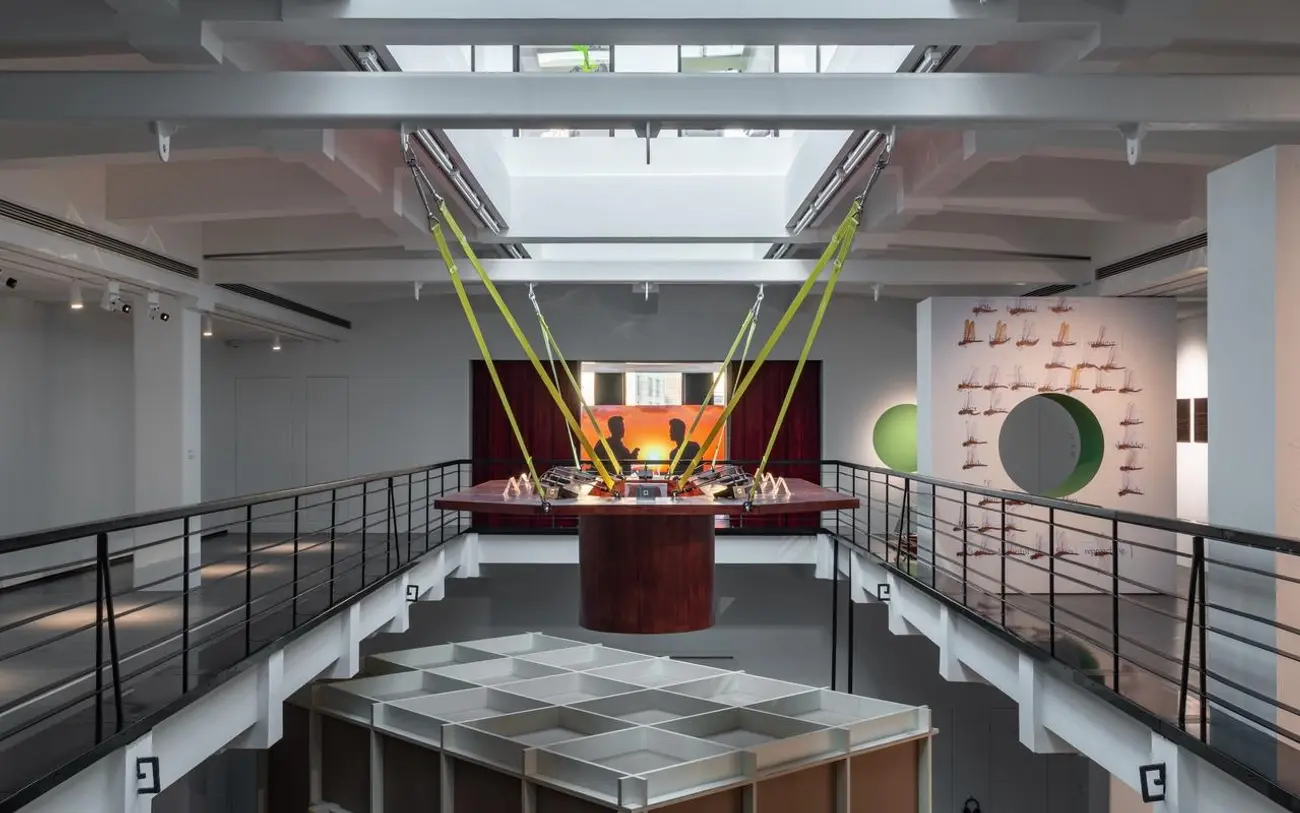
Its exhibitions often explore identity, technology and cultural transformation — issues that resonate deeply with a range of audiences. The museum’s digital engagement strategy — including livestreamed artist talks and AR exhibition guides — reinforces its connection to younger, tech-savvy visitors seeking interactive experiences beyond static displays.
Tank Shanghai
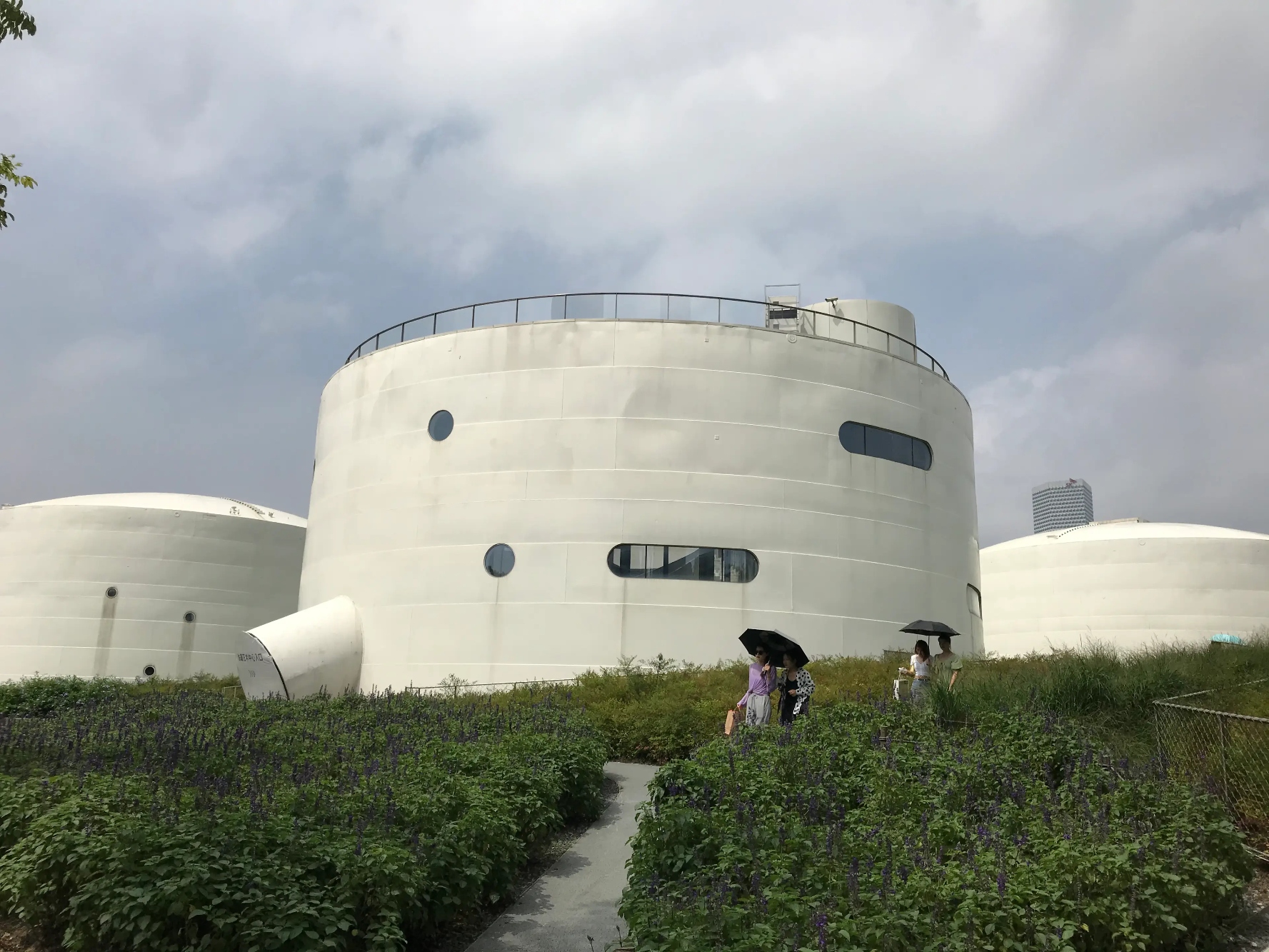
Occupying a series of decommissioned oil tanks along the Huangpu River, Tank Shanghai is one of the city’s most visionary cultural redevelopments. Conceived by collector and entrepreneur Qiao Zhibing, the museum transforms an industrial relic into a fluid space for contemporary expression, where visitors can drift between five interconnected tanks that each host a different creative experiment. Tank Shanghai’s exhibitions often merge art, architecture and digital media, presenting large-scale installations that play with light, sound and spatial perception. Past highlights include a mirrored labyrinth by artist Doug Aitken and teamLab’s “Universe of Water Particles”, where visitors are surrounded by cascading virtual waterfalls projected in real time.
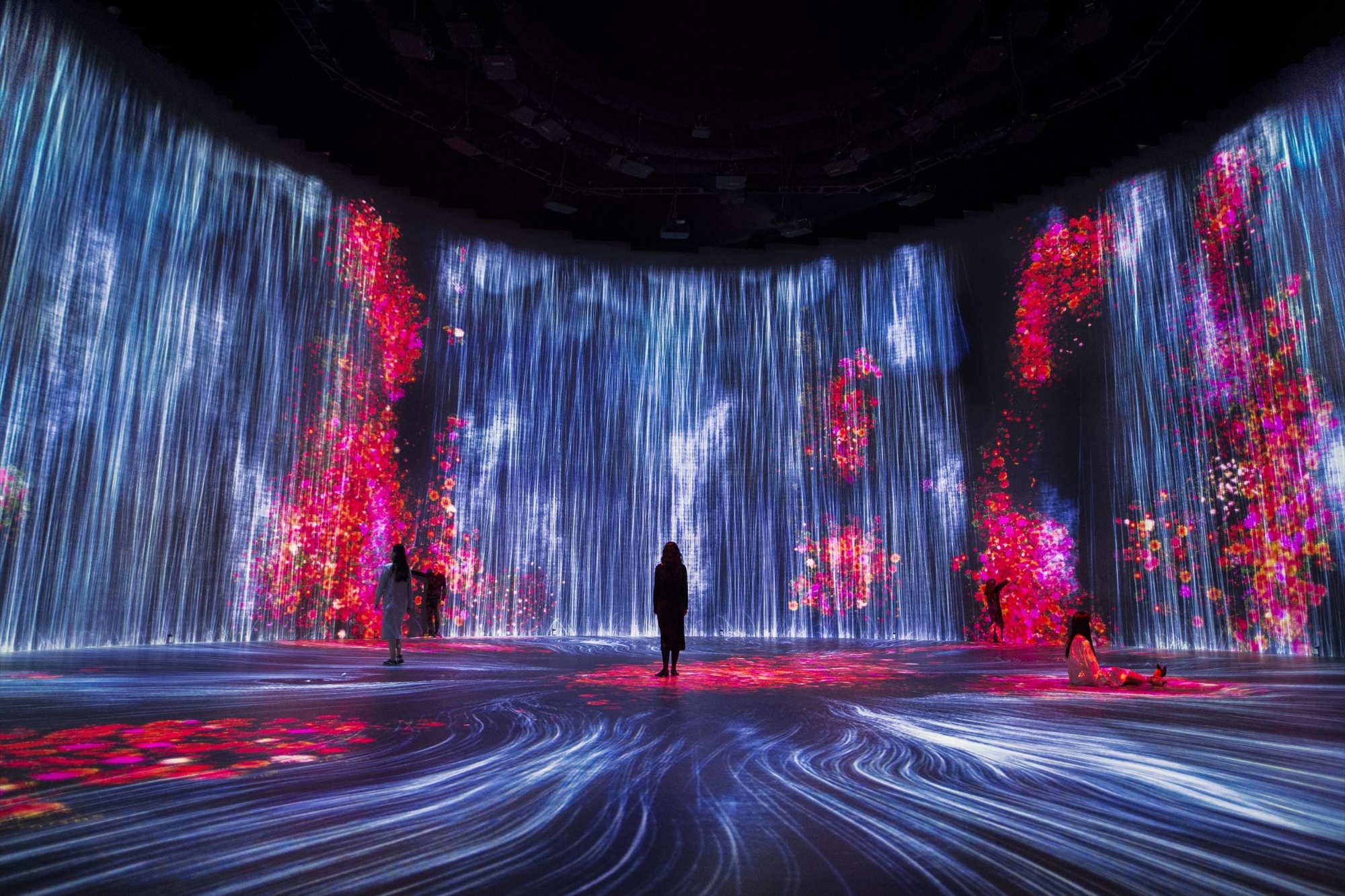
Beyond its galleries, the museum’s open-air park and riverside promenade have become a social and cultural gathering point, blending art, leisure and community. Weekend pop-ups, live screenings and cross-disciplinary collaborations draw a young, creative crowd seeking connection as much as inspiration. In bridging industrial heritage with technological imagination, Tank Shanghai redefines what a museum can be — not a place of quiet contemplation, but a living organism shaped by the city’s pulse and its people.
Shanghai Museum East (New Wing)
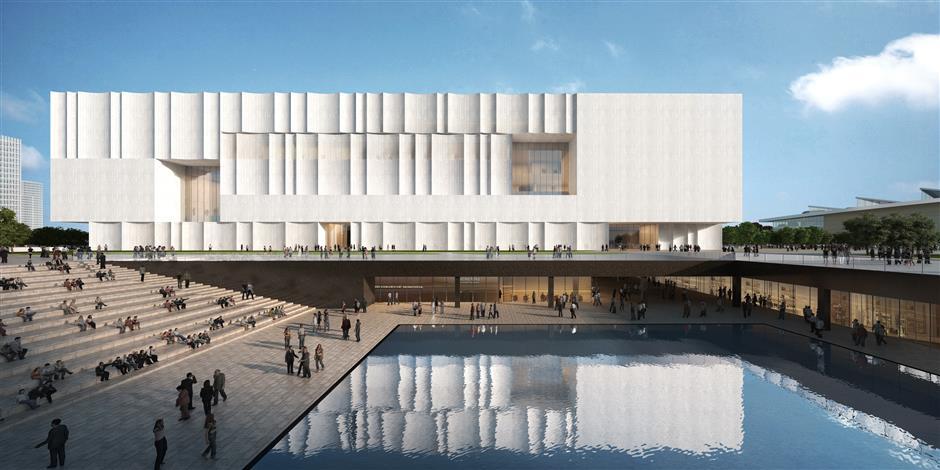
Standing at the cultural heart of Pudong, Shanghai Museum East marks a new chapter for one of China’s most revered institutions. The striking, curved structure — conceived by architect Jean-Marie Duthilleul — mirrors the flow of the nearby Huangpu River, symbolising continuity between heritage and modernity. Within its halls, ancient artefacts and contemporary technology coexist, offering visitors a reimagined journey through Chinese civilisation. Unlike traditional museum layouts, Shanghai Museum East integrates interactive storytelling throughout its galleries.
AR and VR experiences allow visitors to handle virtual relics, reconstruct archaeological sites or witness ancient craft techniques in motion. Its digital lab and immersive projection rooms transform static displays into living narratives, turning history into something to be explored rather than observed. The museum also dedicates space to digital art and cross-cultural collaborations, reflecting Shanghai’s role as a global creative capital. Rotating exhibitions pair traditional Chinese aesthetics with experimental mediums — from algorithmic calligraphy to AI-generated landscape art — drawing younger audiences eager to experience culture through technology.
- Advertisement -
Immersive Cultural Experiences
Private Opera & Performance Spaces
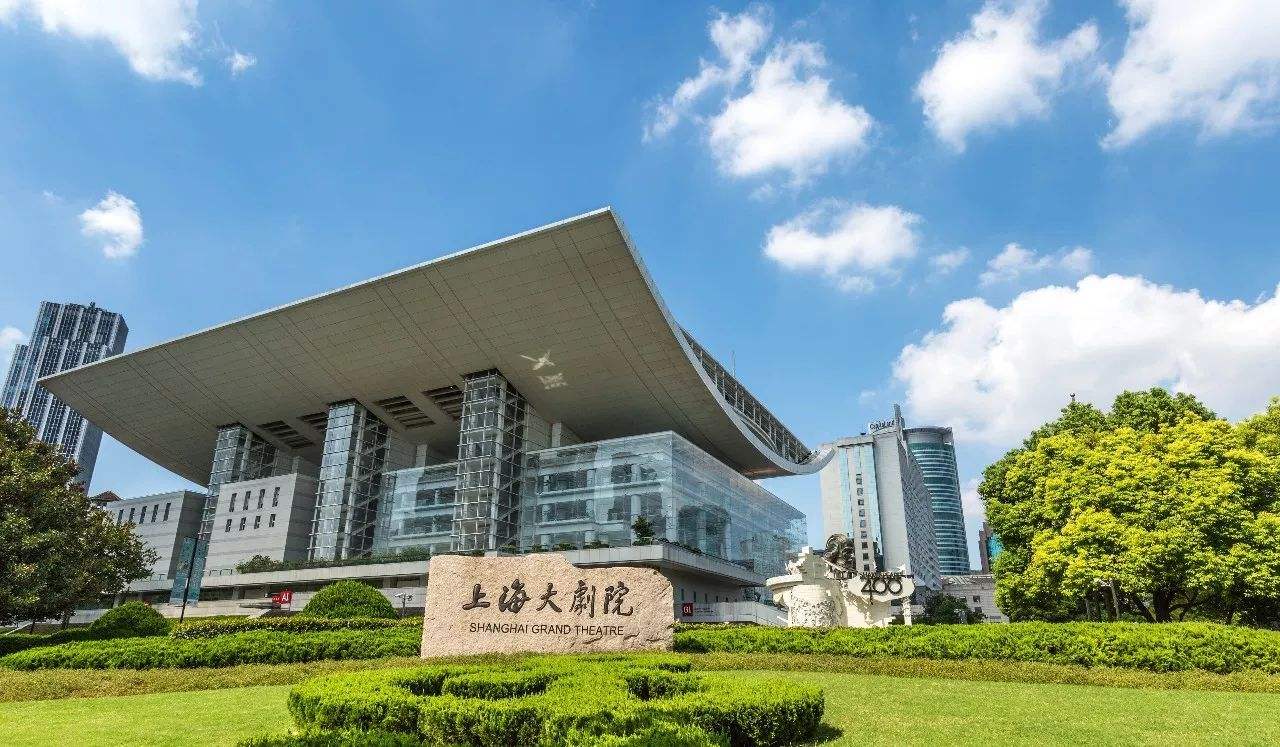
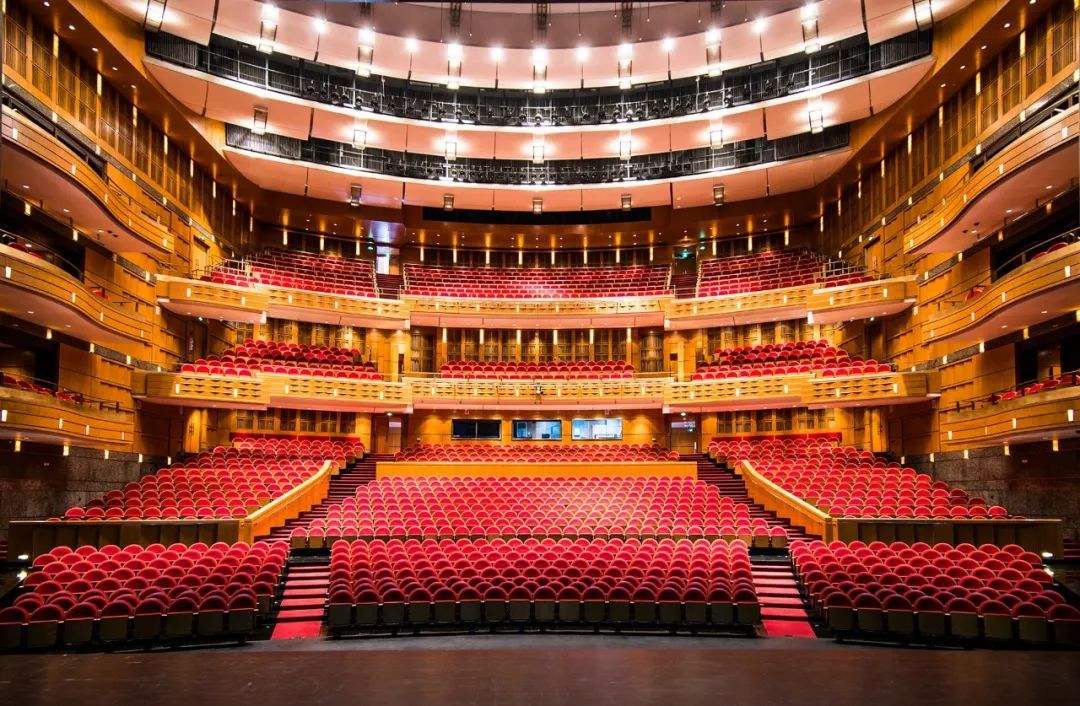
Beyond grand theatres, Shanghai’s independent performance spaces are reinventing traditional art forms for contemporary audiences. Small-scale venues such as the Modern Sky Lab or The Theatre Above host reimagined Peking opera shows and contemporary dance pieces that blend classical technique with digital light projections and modern narratives. Many require advance booking and are tucked away in refurbished warehouses or historic buildings — turning each visit into an exclusive cultural discovery. This format appeals to a younger audience seeking intimate, meaningful encounters with heritage arts reinterpreted through a modern lens.
Traditional Teahouses & Calligraphy Workshops
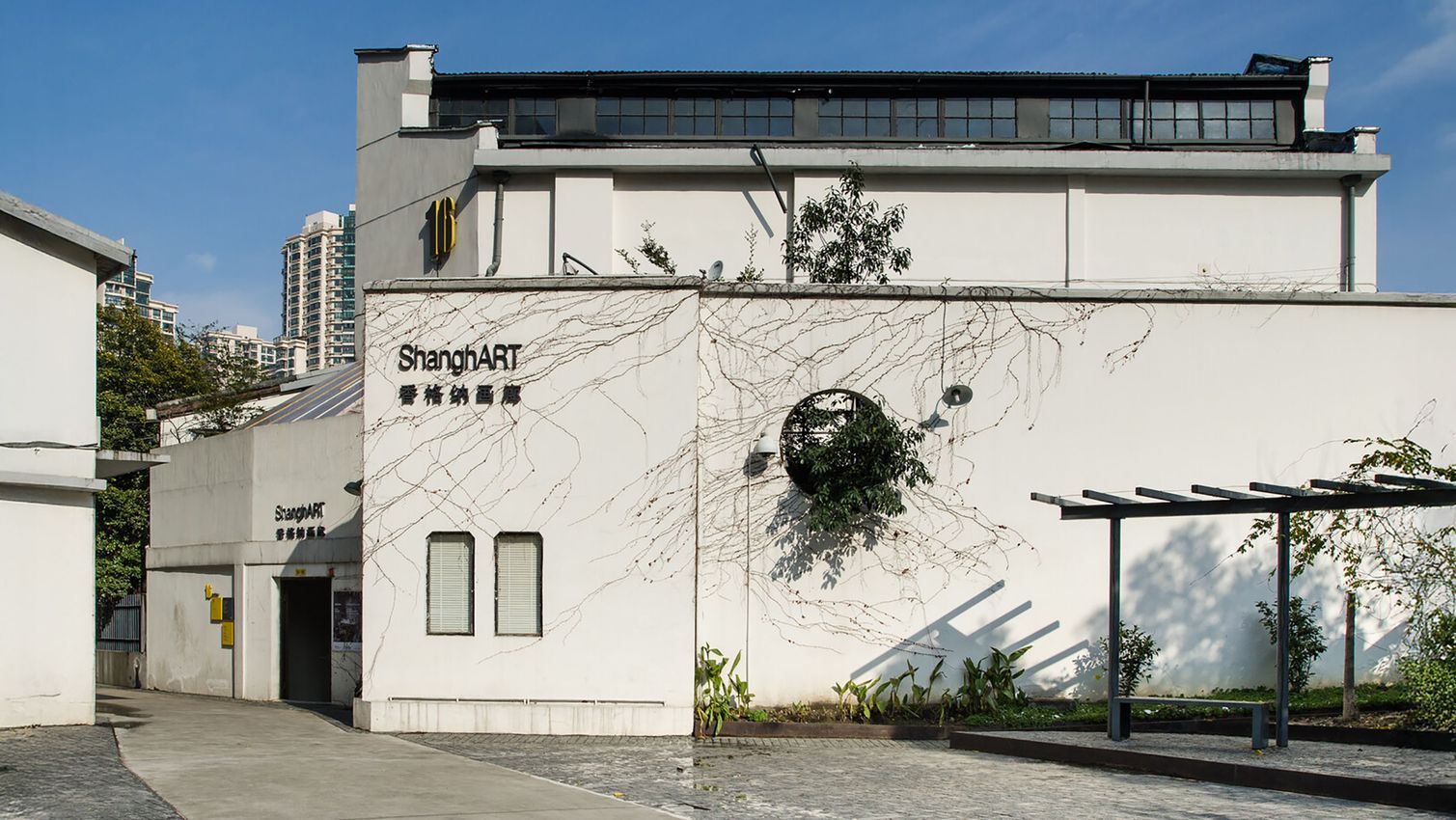
Amid Shanghai’s fast-paced rhythm, a new generation of teahouses is redefining how traditional culture is experienced. Moving away from ornate, tourist-driven settings, contemporary venues such as Yi Cha, TeaYard and Hulu Café are championing a minimalist, meditative approach to tea appreciation. At Yi Cha, nestled near Wukang Road, guests are invited to slow down with curated tea tastings that highlight regional varieties like Longjing and Tieguanyin, presented in handcrafted ceramics by local artisans. TeaYard — tucked in a converted lane house in Jing’an — blends nature-inspired interiors with soundscapes and scent pairing, turning each tea ceremony into a sensory journey.
These concept spaces attract a younger audience drawn to design and mindfulness — many also offering calligraphy and ceramic workshops that reconnect urban dwellers with China’s artistic traditions. At One Teahouse by XU, guests can take part in guided (书法) sessions led by contemporary calligraphers who reinterpret classical brushwork through modern aesthetics. Meanwhile, community art studios like ShanghART Art & Design Workshop and Dongxi Studio host small-group calligraphy classes where meditative forms of self-expression are translated through ink, rhythm and gesture. Together, these spaces represent more than cultural preservation. By pairing the artistry of tea with the mindfulness of calligraphy, they offer an experience rooted in craftsmanship and intention.
Shanghai Nightlife & Cultural Intersections
Penicillin Shanghai
An offshoot of Hong Kong’s award-winning bar, Penicillin Shanghai is not merely a nightlife spot but a sustainability lab disguised as a cocktail lounge. Its “closed-loop” system upcycles ingredients, ferments produce on-site and measures its carbon footprint — transforming mixology into an environmental statement. The bar’s “industrial-chic” setting and experimental drinks — such as the Eco Negroni made with spent coffee grounds and locally distilled gin — make it a gathering point for Shanghai’s conscious creatives. For Gen Zs, it represents a shift in luxury nightlife — from excess to experience, from consumption to purpose.
SYSTEM Shanghai
A cornerstone of Shanghai’s new creative underground, SYSTEM Shanghai occupies a former textile warehouse in Huangpu and operates as both club and cultural incubator. Known for its boundary-pushing line-ups of local and international DJs, SYSTEM’s programming also spans experimental film nights, pop-up fashion shows and visual art residencies. Its minimalist industrial setting, illuminated by generative light installations, transforms each event into a temporary (and contemporary) artist curation. As far as nightlife venues, SYSTEM represents a cultural ecosystem where music, technology and design intersect — a magnet for visitors who see nightlife as a medium for expression rather than escape.
INS Park
Nestled in the heart of Fuxing Park, INS Park — short for “Into Nothing Serious” — is a six-storey nightlife complex that has become a landmark for Shanghai’s next-generation party culture. More than just a collection of bars, it functions as an immersive, multi-floor entertainment ecosystem where visitors move floor by floor, experiencing a spectrum of atmospheres and music genres. From celebrity-frequented hip hop lounges to underground techno rooms, student-focused dance bars and elegant cocktail spaces, INS Park caters to a wide demographic while maintaining a cohesive, high-energy atmosphere.
Its design encourages exploration with elevators connecting to distinct venues — each with its own aesthetic and programming — creating a night out that feels like a curated journey rather than a single stop. In addition to its bars and nightclubs, INS Park houses a KTV, casual dining options and a 1,000-square-meter esports arena. This combination of social interaction, music, technology and leisure makes it a rare venue that bridges nightlife with broader cultural experiences.
For Shanghai’s younger, experience-driven crowd, INS Park exemplifies a shift in how nightlife is consumed — less about exclusivity or extravagance and more about variety. Its “everything under one roof” approach has drawn comparisons to iconic multi-venue destinations like Found 158, but reinterpreted vertically in a city centre setting — solidifying INS Park as a hub where nightlife, social creativity and cultural experimentation intersect.