
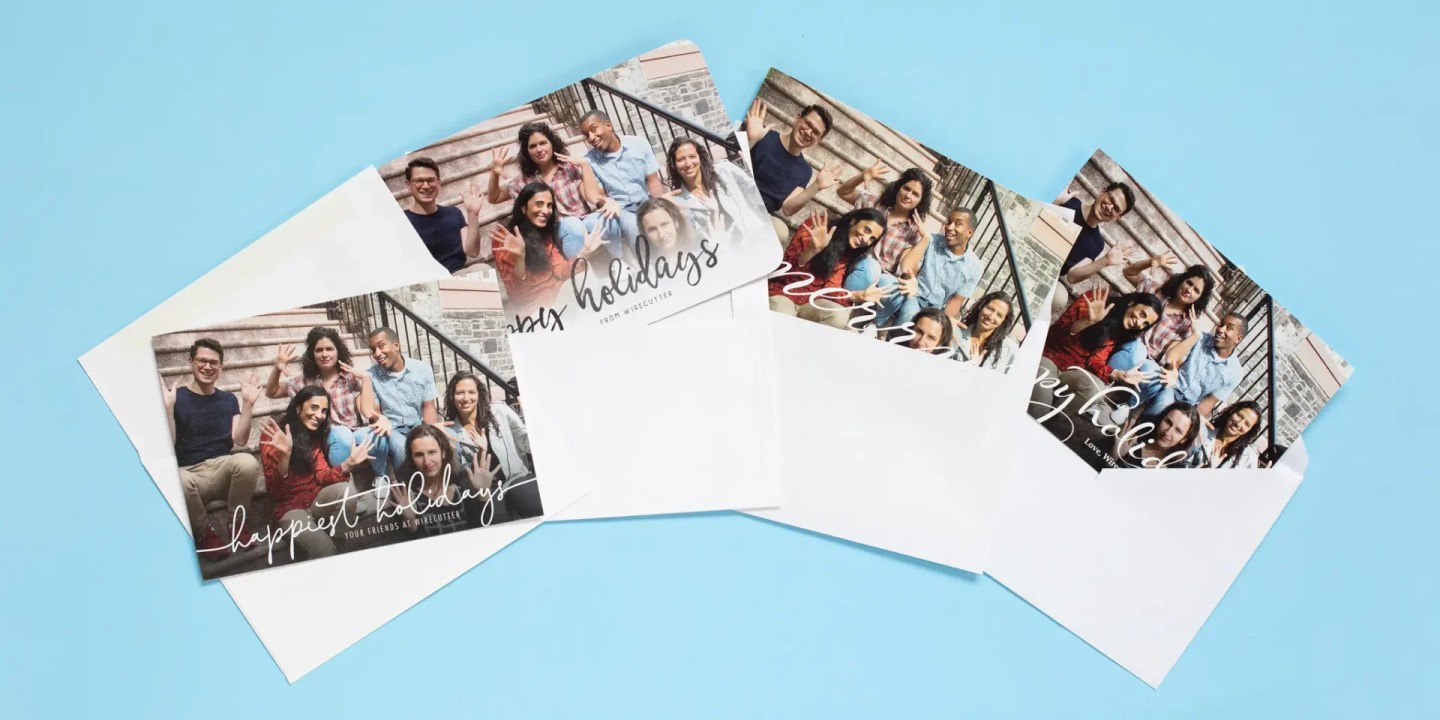
Christmas Card Photo Ideas & Gallery-Grade Holiday Cards Photos
Nothing says thoughtful like a well-made holiday or Christmas card photo. This year you can move beyond the same crowded couch shot and aim for something editorial, modern, and gallery-grade. Whether you shoot at home with your phone or hire a pro for a short session, small choices in light, wardrobe, and layout will make your cards look like they belong on a coffee table. In the next sections I’ll share practical setups, pose ideas, and design tips you can use right away.
Start with a strong concept. Pick a palette, mood, and a single story to tell, and build everything around that. If you want cozy and warm, choose earth tones, fuzzy textures, and a tree-lit living room. If you prefer clean and modern, go for neutral backgrounds, minimal props, and one striking portrait. For concrete inspiration, try a short list of Christmas card photo ideas such as candid decorating moments, a black and white portrait, or a posed frame with a simple wreath.
Light and timing: make light your best prop
Natural light will save you more than one styling headache. Aim for early morning or late afternoon golden hour for soft, flattering light outdoors. Indoors, place subjects near a large window and avoid mixed lighting from lamps plus daylight because it can create odd color shifts. If you must use artificial light, keep it consistent and simple: one key light plus a reflector goes a long way. These timing and lighting habits are the same pro photographers recommend over and over.
Wardrobe and color: coordinate, don’t match
Forget matching everyone in the exact same sweater. Choose a color story of two or three complementary tones and vary textures. For example, cream knits, olive corduroy, and deep burgundy accessories read as intentional without looking forced. If you plan a black and white image, use contrast to your advantage and avoid high-contrast extremes that flatten faces. Minted and other card designers note that outfits should support the card design, so pick clothing that complements the layout and lettering you plan to use.
Poses, prompts, and keeping kids happy
Stiff, overly posed pictures rarely feel alive. Instead, try prompts: ask kids to whisper a secret, have couples walk toward the camera, or place everyone under a blanket and peek out together. Timers and remote triggers help, but having a friend or photographer work with the kids reduces the number of re-takes. For newborns or toddlers, plan shoots when they’re rested and fed, and keep sessions short. Practical tips like these reduce stress and yield more authentic smiles.
- Advertisement -
Editorial set-ups that look gallery-ready
Think of editorial photography: simple backgrounds, moody light, and an emphasis on composition. Use a plain wall, an open field, or a snow-flecked evergreen row as your backdrop. Try shallow depth of field to separate subjects from the background and create that magazine look. Consider a textured prop, like a single wreath or an oversized ribbon, and use negative space so the image breathes. Themed shoots can elevate your card and give your image a cohesive story, whether you choose retro holiday, alpine picnic, or minimalist black and white.
Design and format: how to choose the right card
Once you have images picked, think about how they’ll sit on the card. Single full-bleed holiday cards photos feel cinematic. Collages let you show multiple moments from the season. Serif type adds tradition, while sans serif reads modern. Plan for margins and breathe room for text; avoid covering faces with captions. Also, order early. Popular card printers get busy in November and December, and selecting paper and envelope options takes time. Companies that specialize in photo cards recommend deciding your design and ordering in October or early November to avoid rush fees.
Quick setups you can do at home
- Tree-overhead shot: lie under the tree with everyone facing up; shoot from above to capture twinkling lights around faces.
- Fireplace candid: light the fire, dim other lights, and capture people wrapping gifts or reading a letter.
- Window light portrait: face your subject toward a large window and use a reflector or white sheet to fill shadows.
- Field walk: capture motion and connection by walking away from the camera, holding hands.
These simple setups create variety without a lot of gear.
Final checklist before you press print
- Test shots in the final card layout so nothing important gets cropped.
- Check white balance and skin tones under the lighting you used.
- Get a second opinion on type and placement; what looks good on a screen may feel heavy in print.
- Order a physical proof if possible to confirm colors and paper weight.
A thoughtful card starts with one strong image and follows through with consistent styling and a simple message. Pick a concept, control the light, relax into poses, and match the design to your photo. When you keep those elements in mind, your holiday card moves from a rushed yearly task to a gallery-grade keepsake your friends will want to frame.